Sculptures
Trees form the basis of the sculptures. The wood comes from the river Elbe near Hamburg. Whenever Ralph discovers an interesting fragment in the mudflats at low tide, it is painstakingly and carefully retrieved. After a long drying period, he begins the process of shaping and refining the wood, as well as crafting a steel plinth. At the outset, these are mostly dark, wet fragments that are barely distinguishable from the slag stones on the shore, offering only a hint of the interesting shapes and fine wood concealed within.
They are often fragments of piles, dolphins, bollards or groynes that have been moulded by the tidal current over years, decades or even centuries and are sometimes - rather rarely - washed up near the shore. The artefacts are heavily soaked and sometimes icy in winter.
The oak and softwood trunks, which have been rammed into the sediments of the river Elbe for centuries for shipping, are very well preserved due to the lack of oxygen in the brackish water and can last for several hundred years as long as they are not exposed to air. In essence, the quality of the wood is outstanding and the artist's challenge is to uncover and refine it and create a work of art from it.
For Ralph, the tactile experience of forms – alongside the sculpture in space – constitutes the fourth dimension. The perception of the art object is not limited solely to viewing it from different angles; rather, feeling the finely polished surfaces and forms, as well as the rough crevices and holes, is also part of the artistic experience.
The sculptures have been moulded and rounded over long periods of time by the tidal current of ebb and flow and the fine-grained sediment of the rive Elbe. The many deepenings of the river Elbe over the decades have acted as a catalyst, as the tidal range and tidal current have constantly increased as a result. The reverse transformation is also interesting here:
Long ago, a beam, a pile or a plank was sawn from a tree and used as building material in the waters of the river Elbe. Over a very long period of time, currents and sediments then began to transform the wood into a form that only rarely gives an idea of its original purpose.
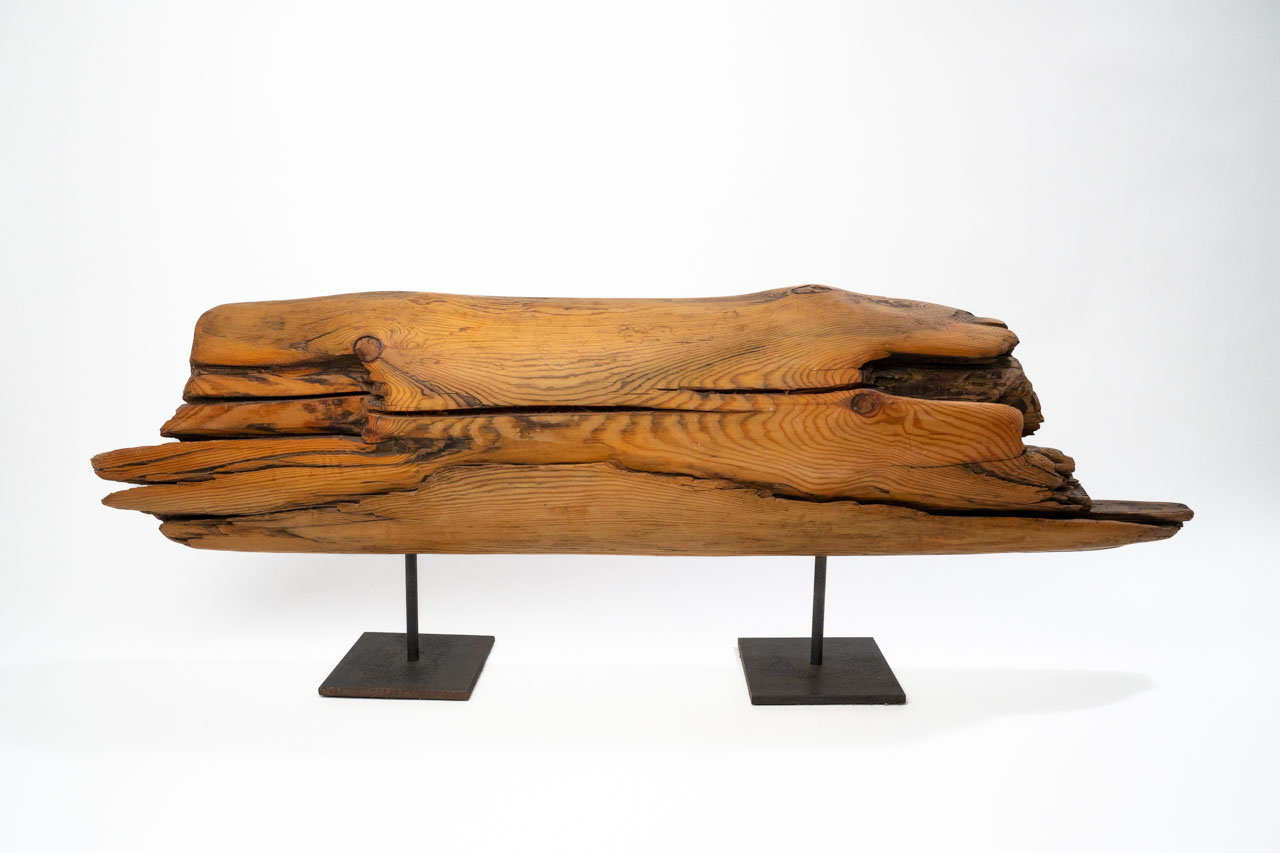
Bottlenose dolphin
Width 148 cm | Height 55 cm | Depth 21 cm
solid timber
Steel base 20 x 20 x 1.5 cm
Origin: River Elbe | Hamburg
53°32’39″N 9°54’17″E
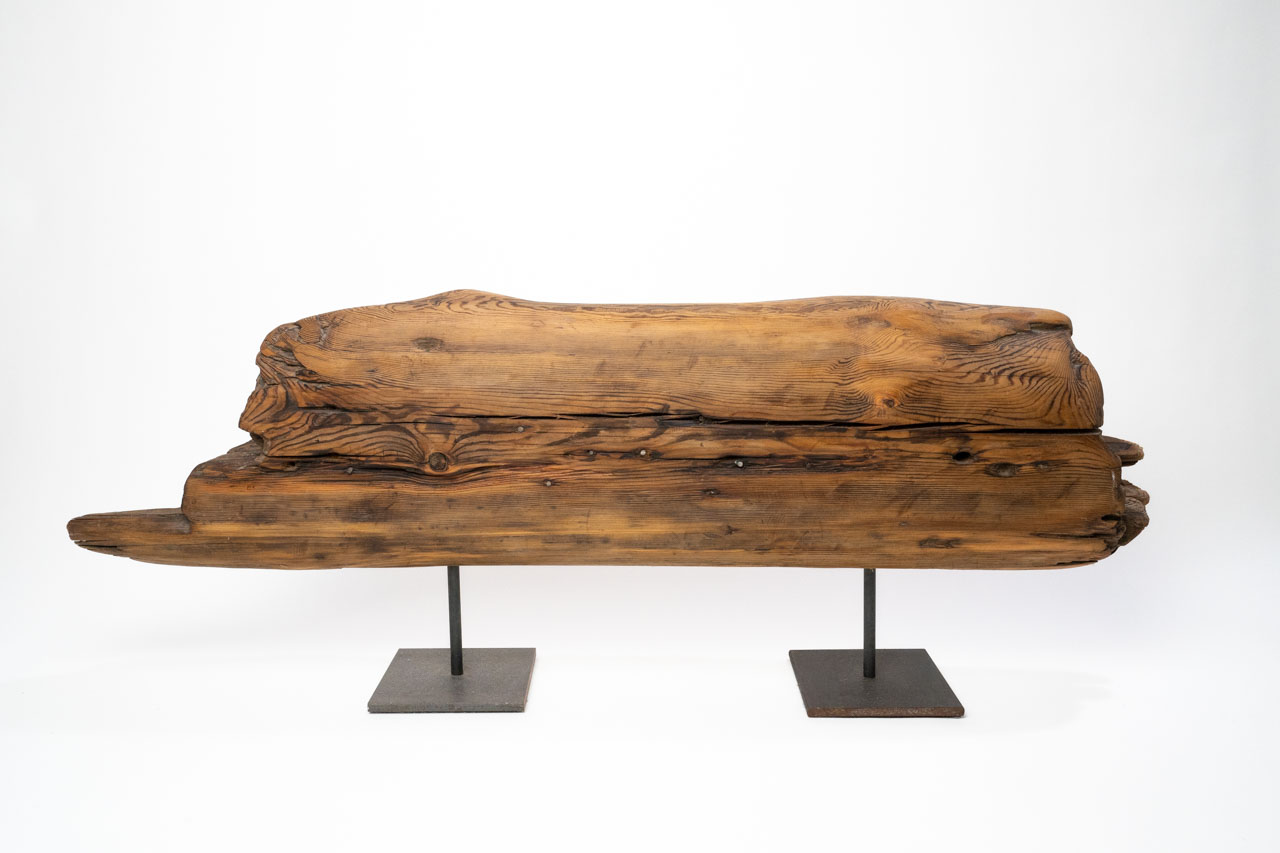
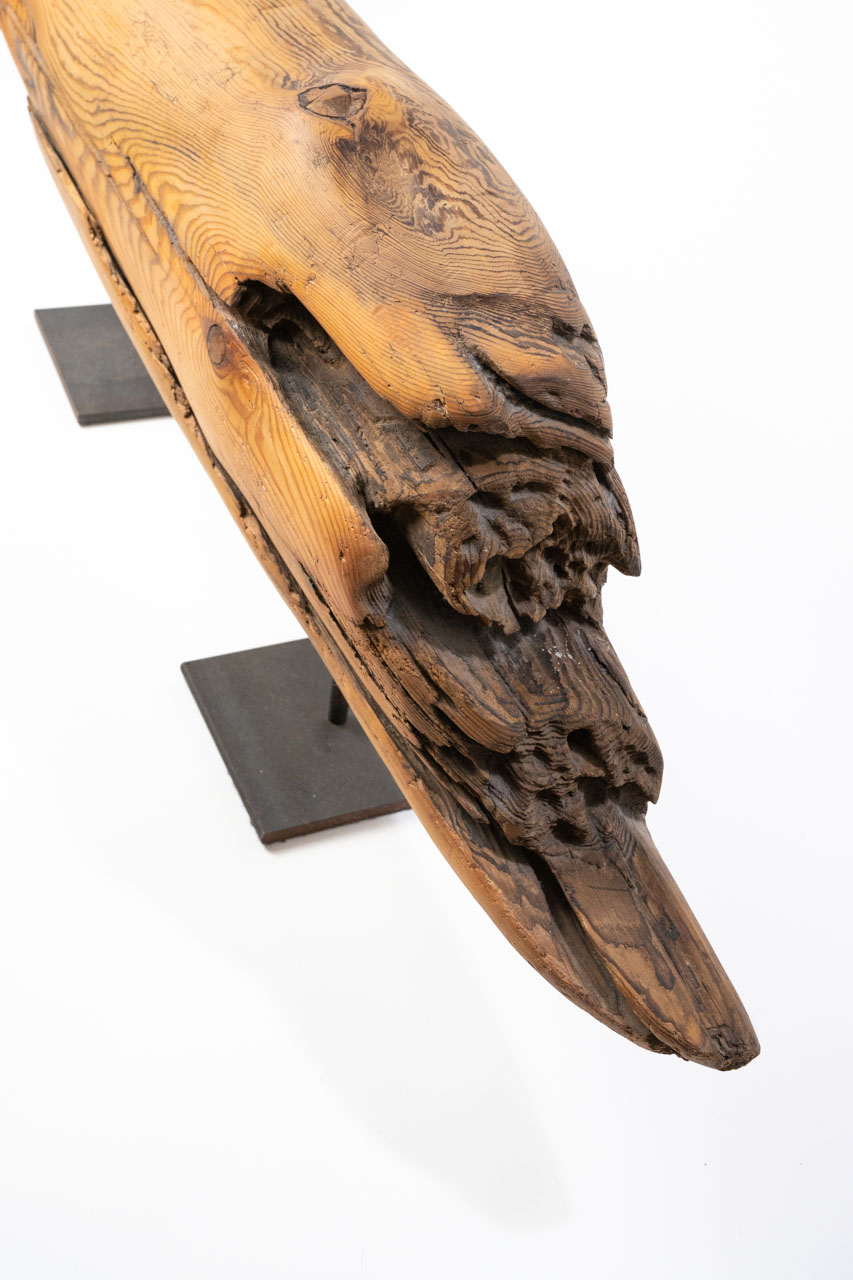
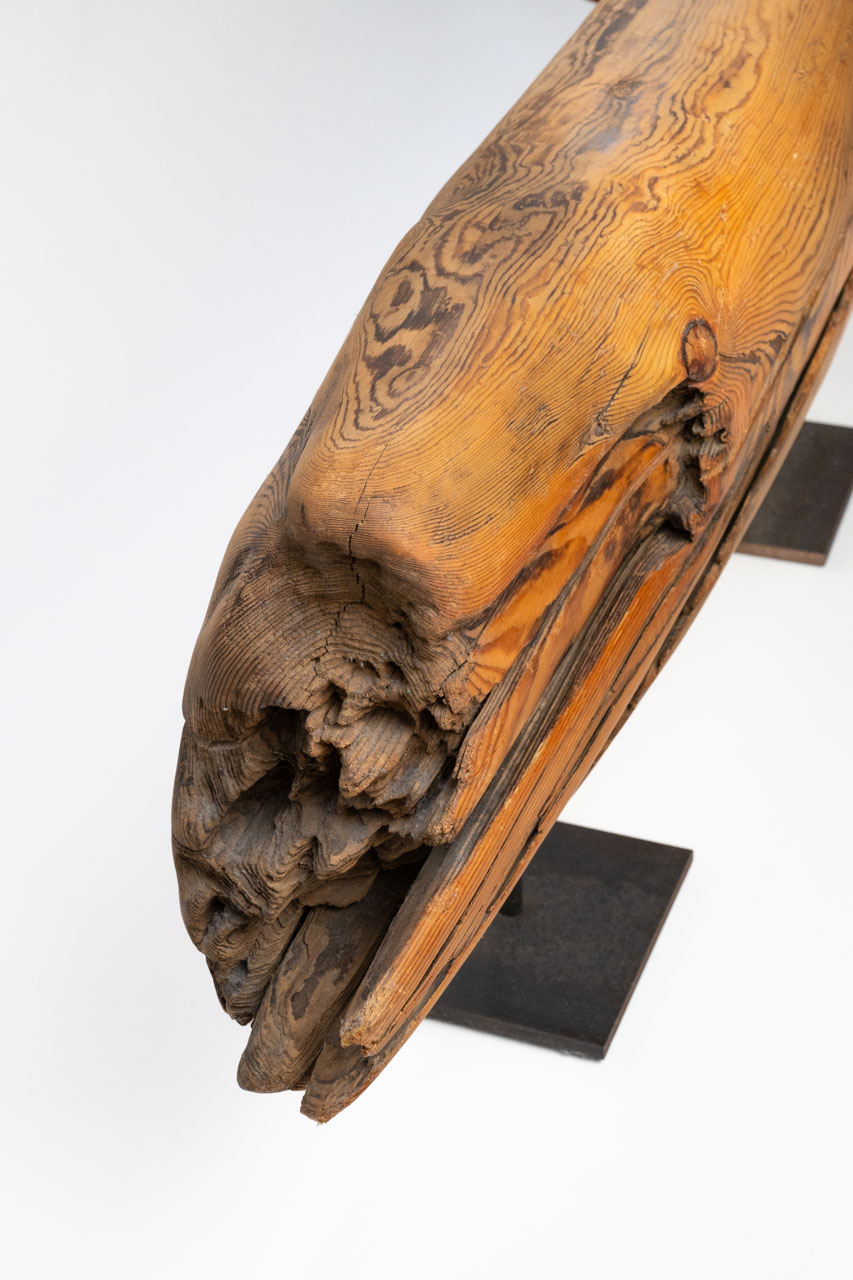
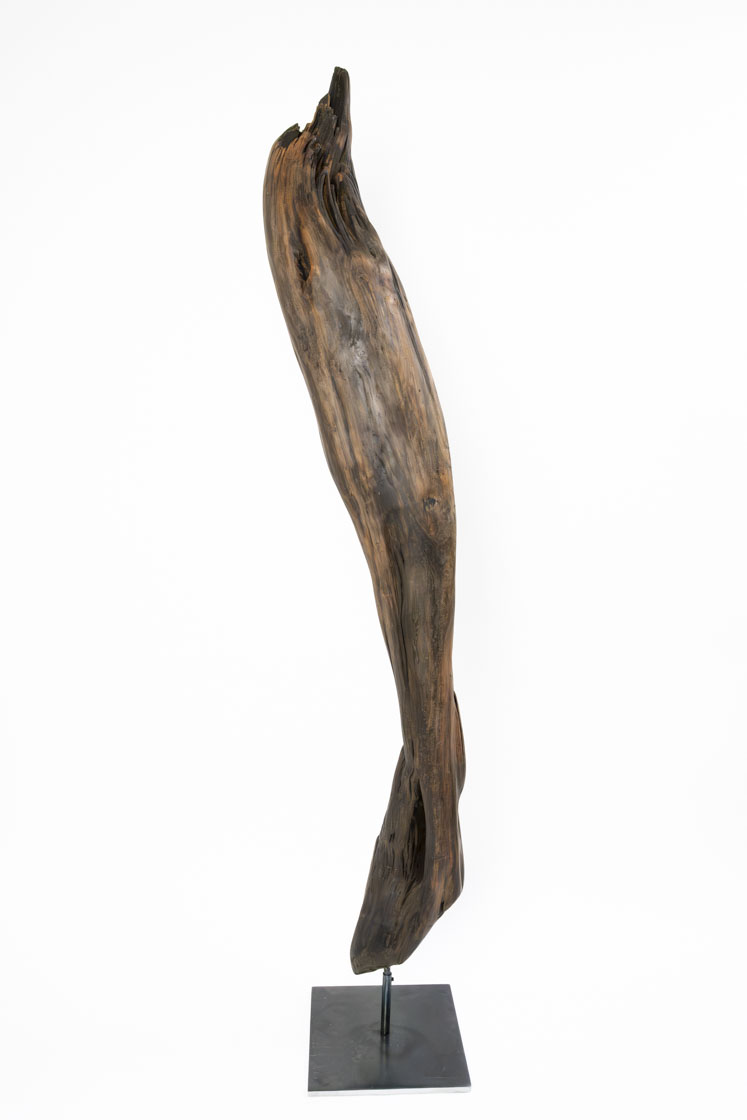
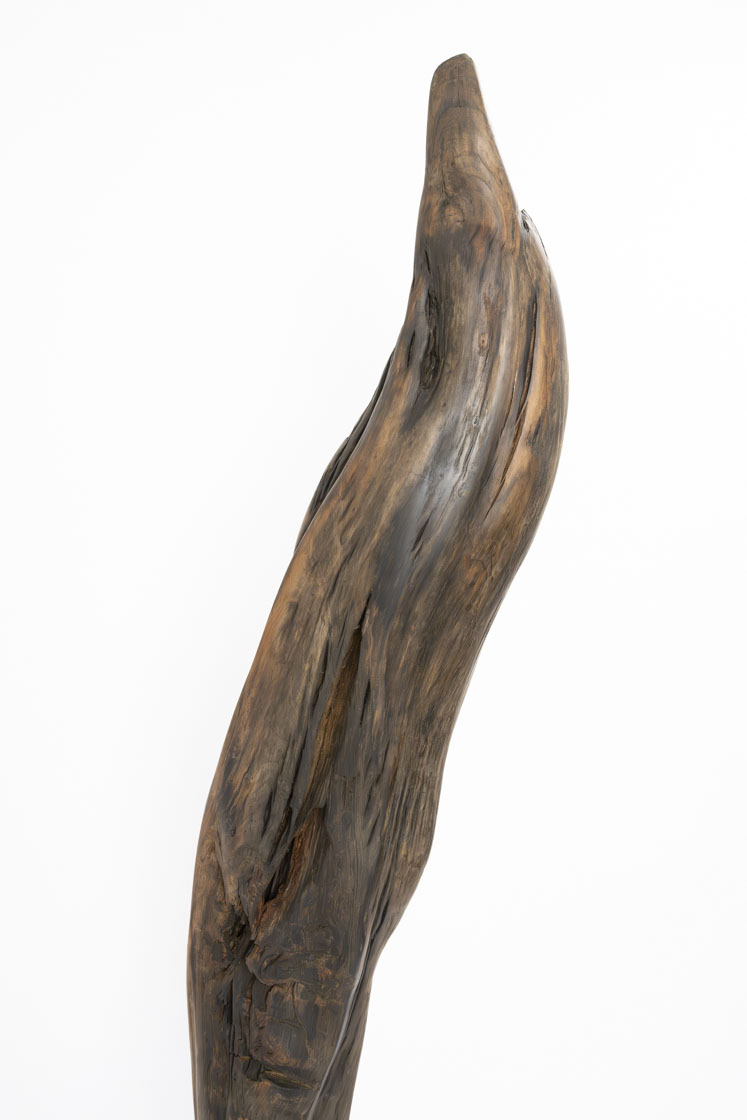
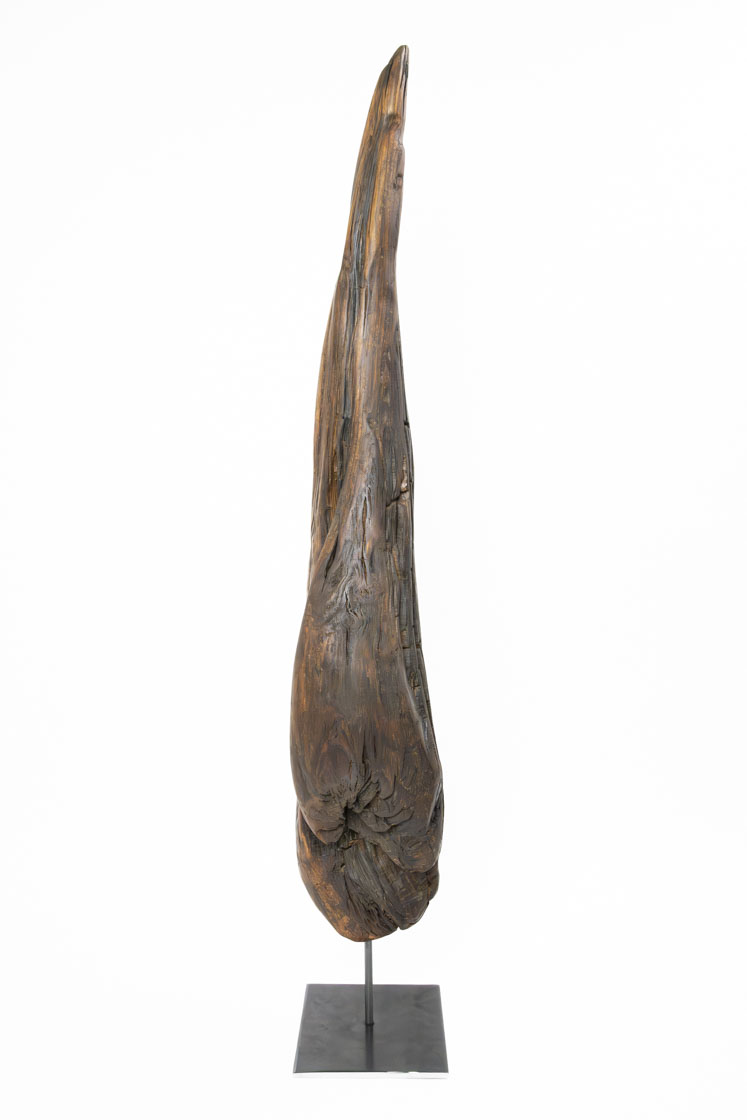
Dolphin
height 183 cm | width 30 cm | depth 30 cm
solid timber
Steel base 30 x 30 x 1.5 cm
Origin: River Elbe | Hamburg
53°32’40″N 9°53’41″E
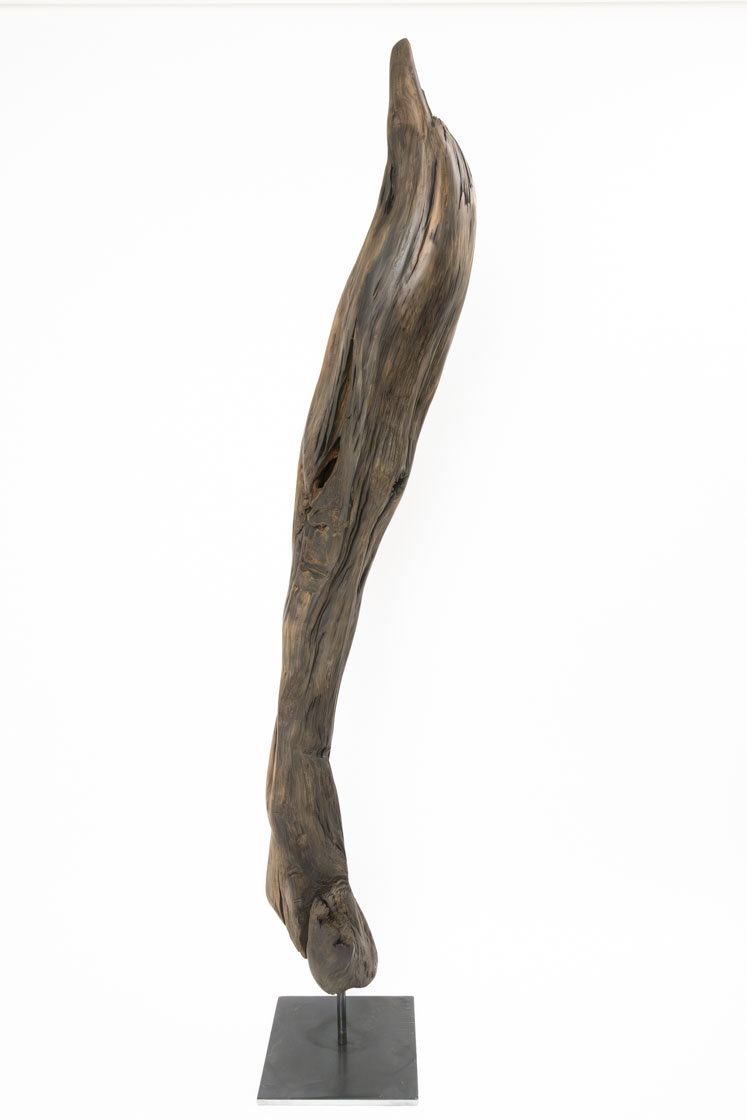
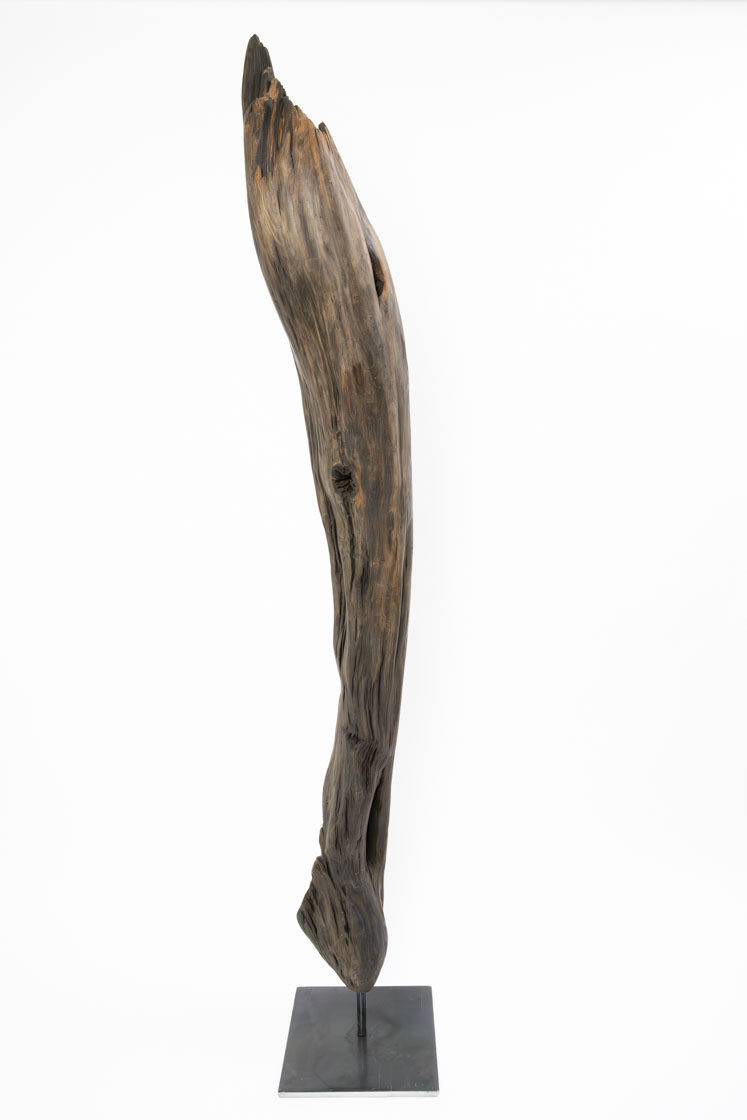
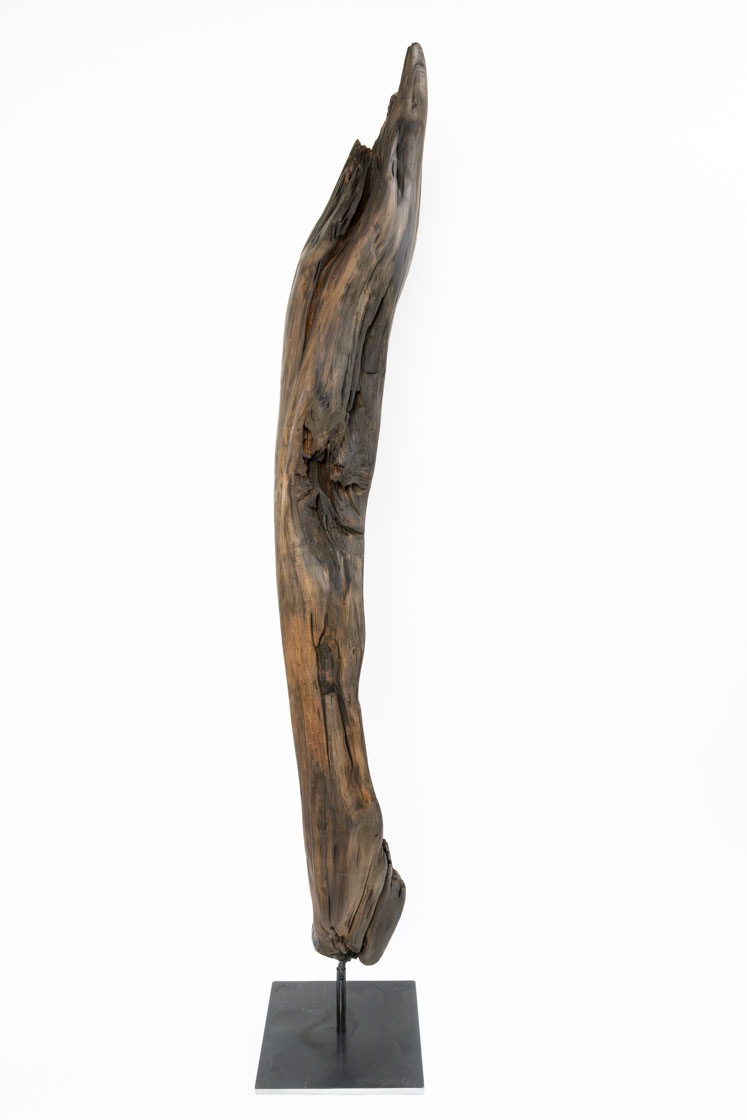
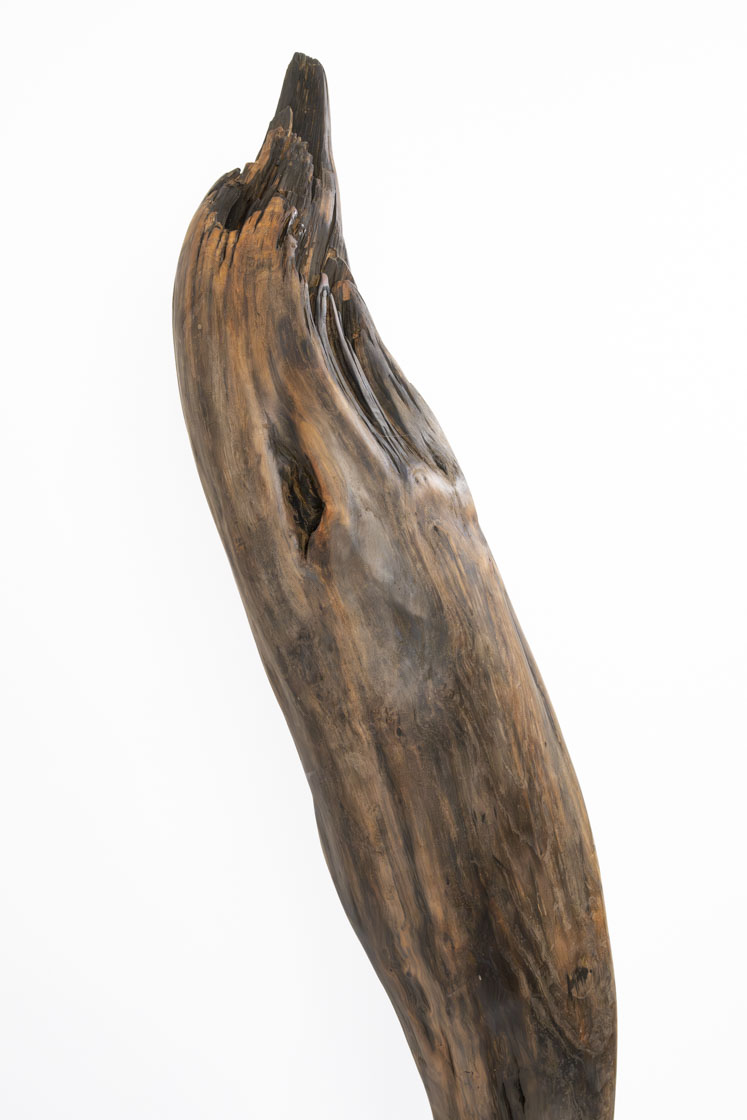
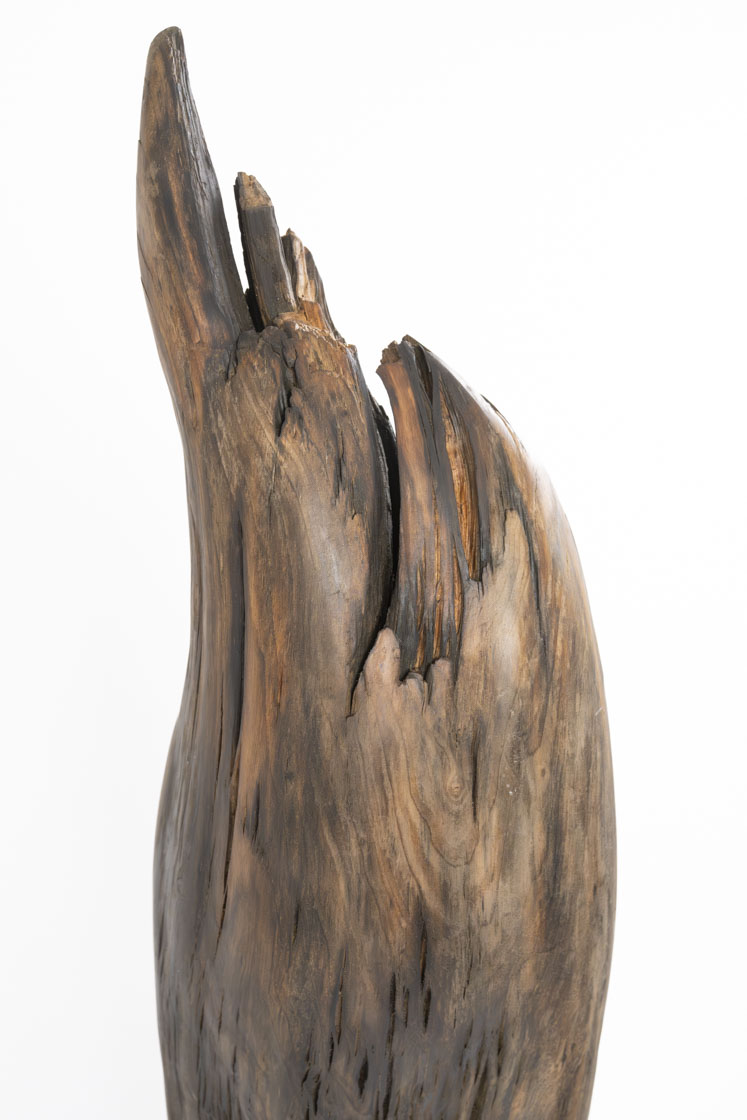
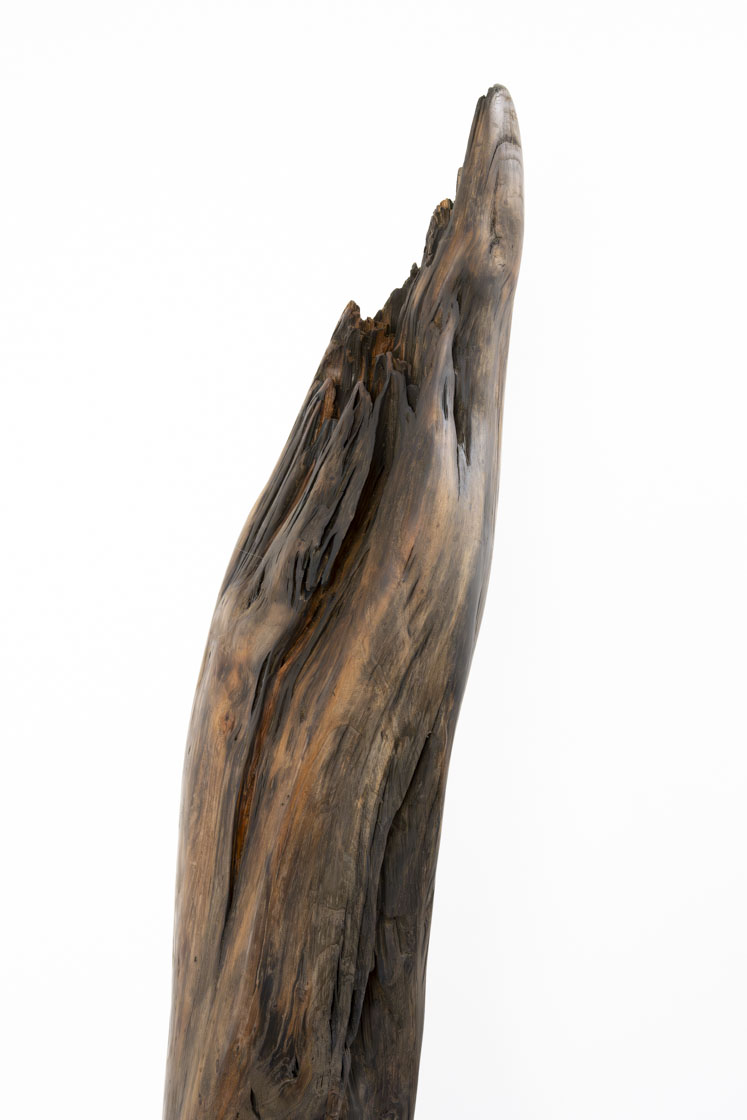
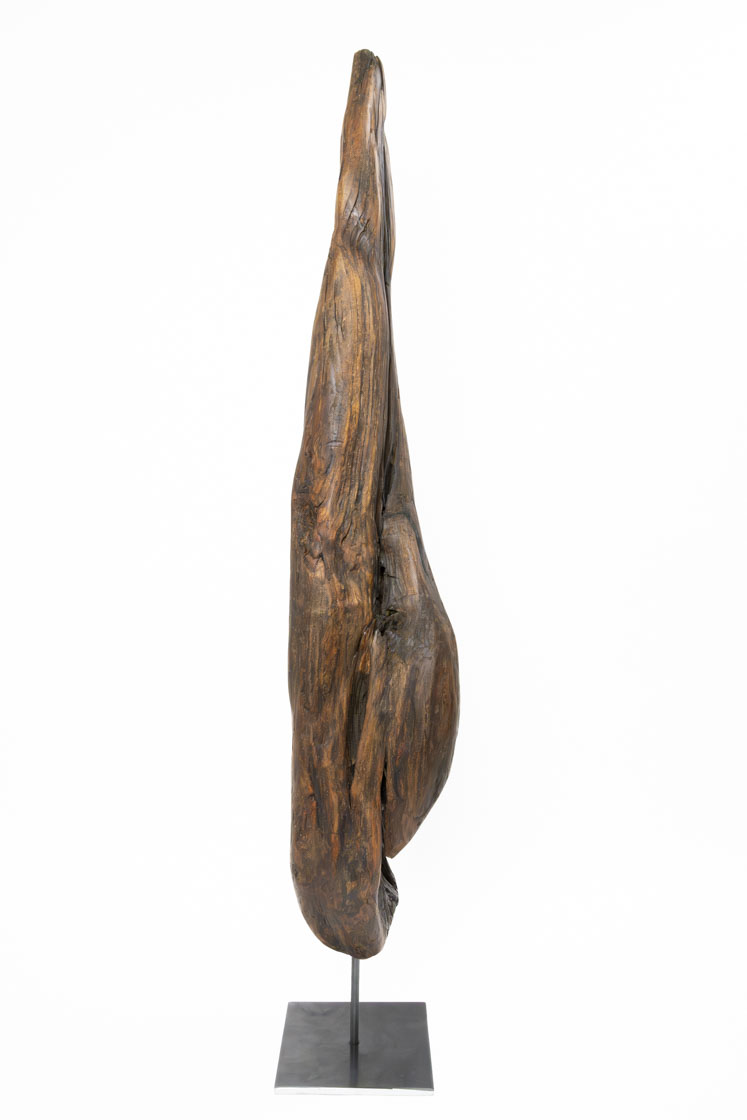
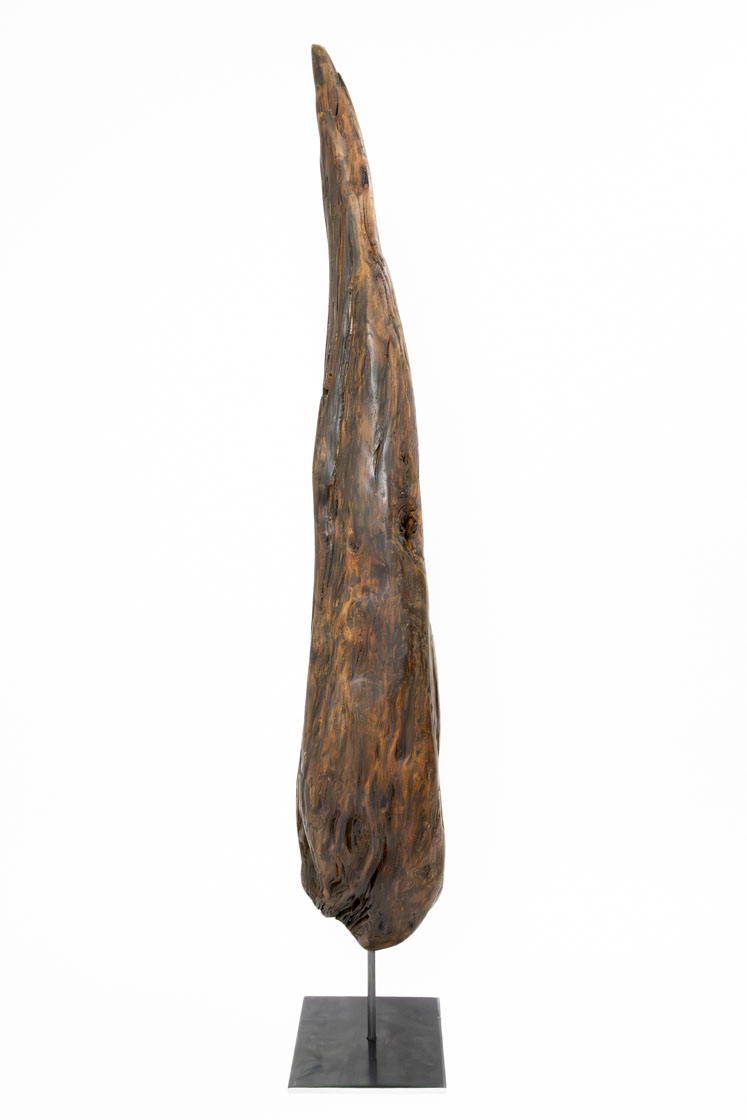
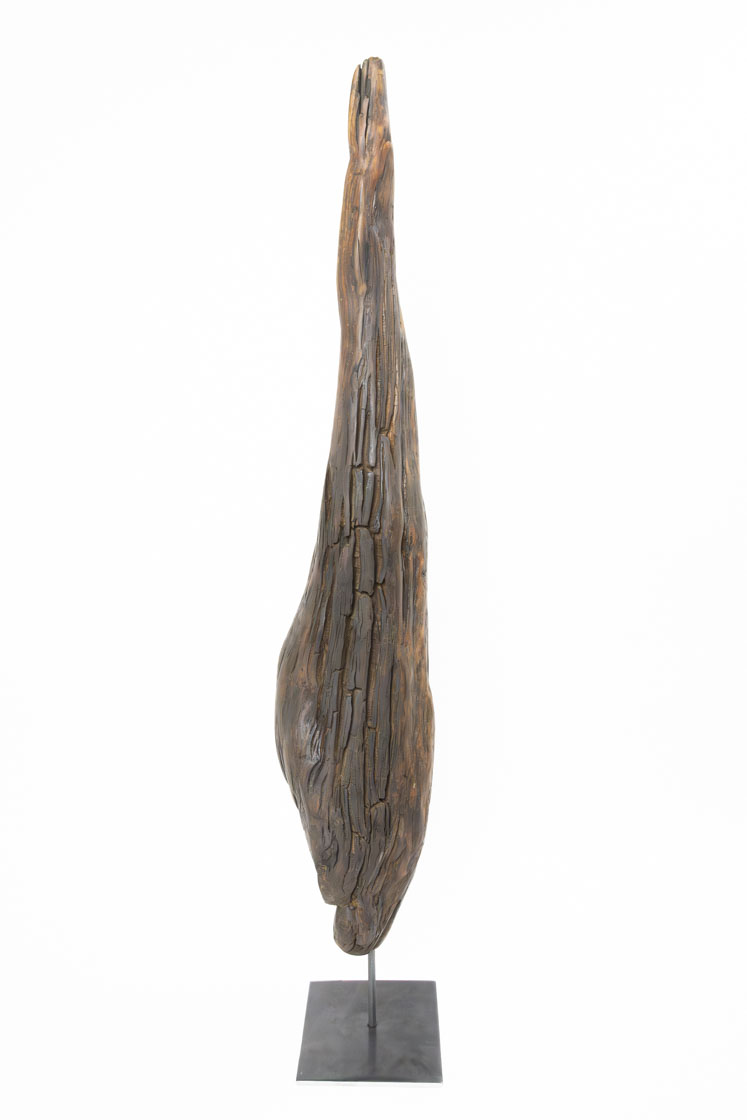
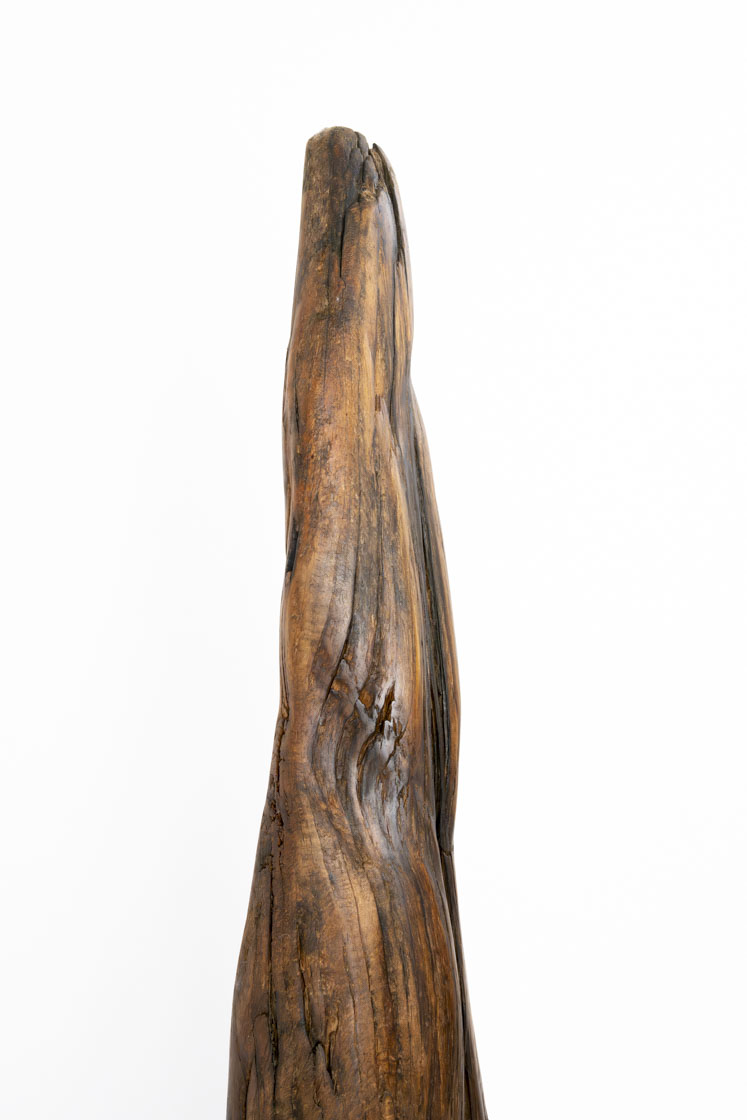
Sperm whale
height 164 cm | height 27 cm | depth 27 cm
solid timber
Stahlsockel 25 x 25 x 1,2 cm
Origin: River Elbe | Hamburg
53°32’40″N 9°53’38″E
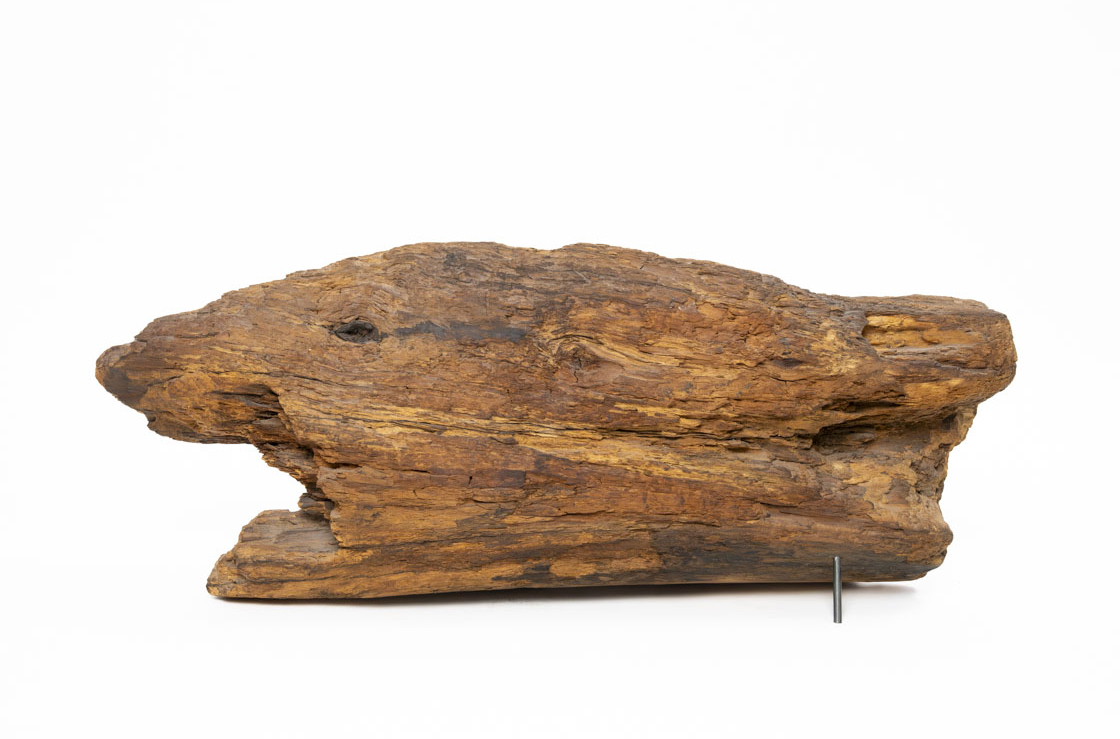
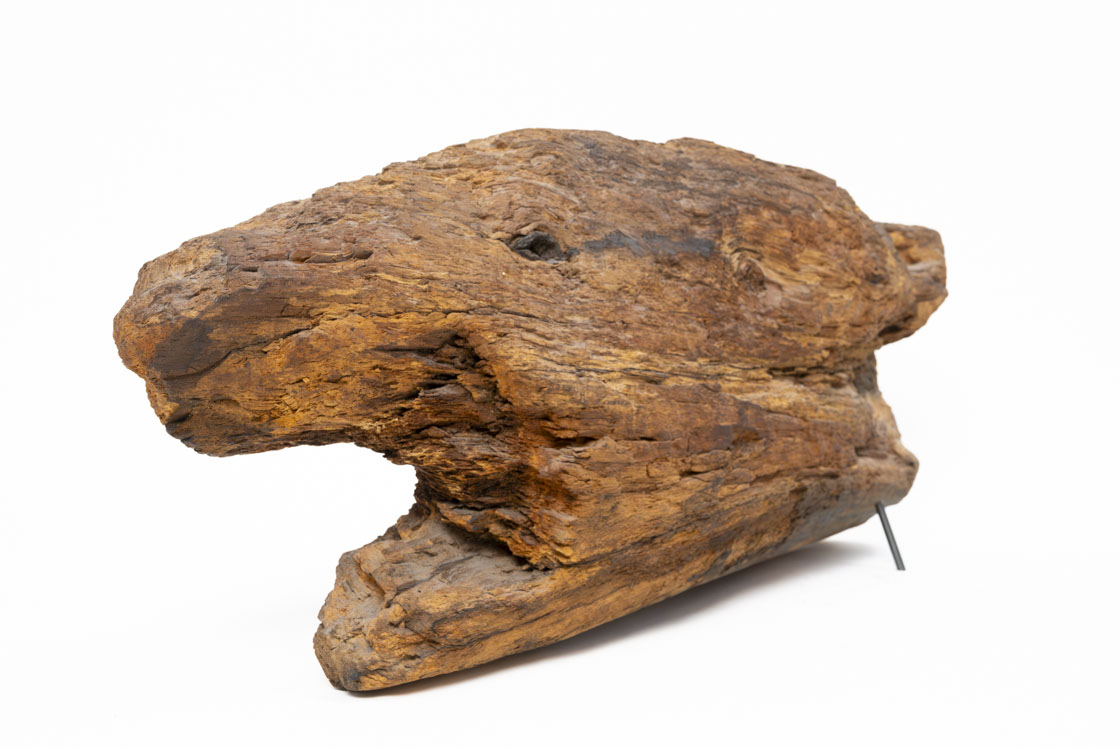
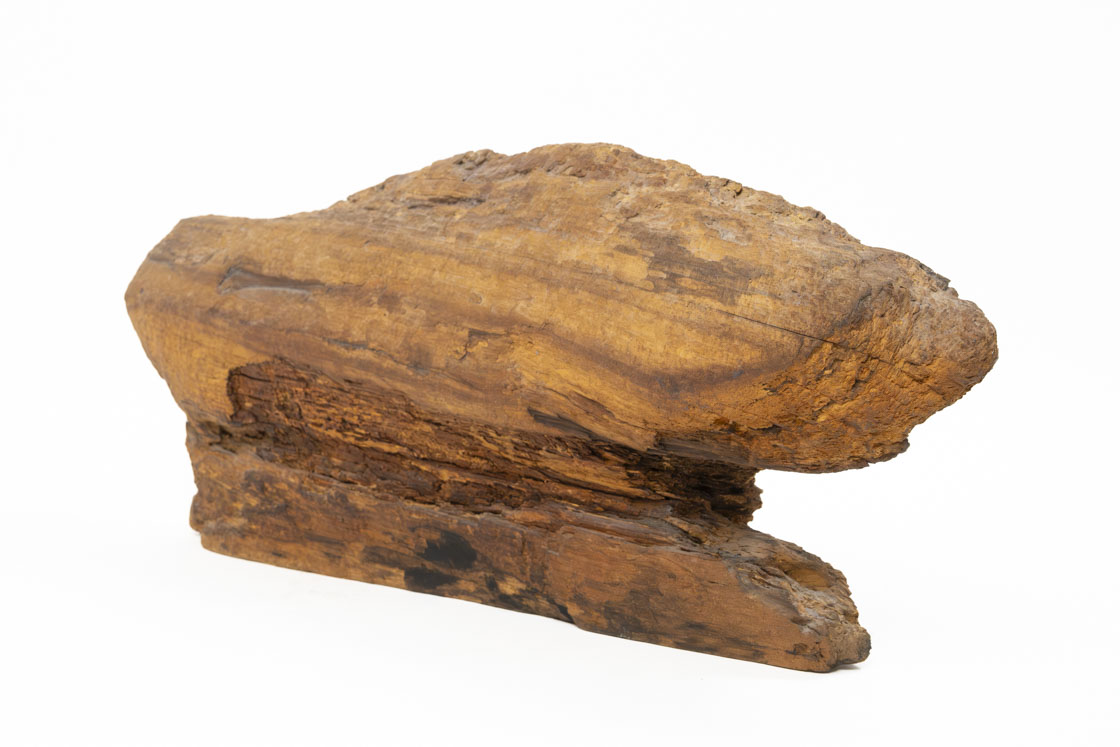
Moray eel
Width 77 cm | Height 29 cm | Depth 16 cm
solid timber
Origin: River Elbe | Hamburg
53°32’39″N 9°53’50″E
Share the page with others

Mobile:
Fone:
Email: